Are you tired of paying a 60% Additional Buyer's Stamp Duty (ABSD) just to earn a 3% rental yield?
For years, the astute Singaporean investor accepted stability at the cost of genuine growth. But today, the calculation has changed drastically. Why lock your capital into a highly regulated market with punishing duties and slow cash flow when a world-class alternative offers an immediate, tax-free exit ramp?
A significant number of Singapore-based investors are now deliberately shifting their focus to the Dubai property market. This growing interest is driven by a simple, compelling promise: fiscal efficiency and superior net returns. Dubai provides a clean investment proposition with clear laws, consistently high rental yields that often range between 6% and 9% (far outpacing many major world capitals), and, most crucially, a zero-tax framework.
Securing property in this dynamic emirate is more than just a transaction; for a Singaporean investor, it is a foundation for robust wealth acceleration and a valuable international lifestyle upgrade. The question is no longer if you should diversify, but how quickly you can make your capital work harder.
Read on to learn about how to buy property in Dubai from Singapore?
Can Singaporeans Buy Property in Dubai?
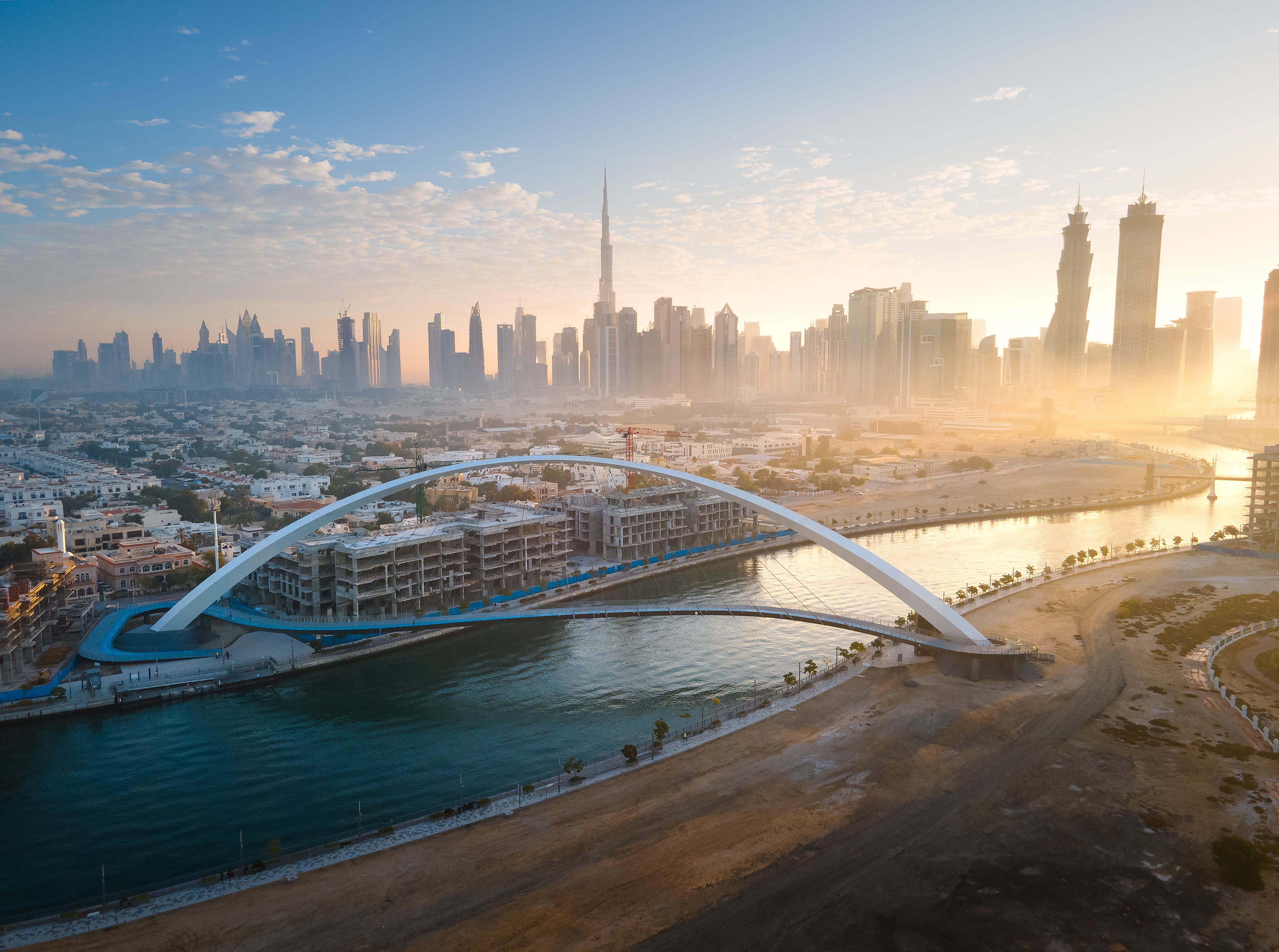
The answer is a clear 'Yes'. All citizens of Singapore have the legal right to buy and own property in Dubai, with specific and secure ownership rights guaranteed.
1. Understanding Freehold Ownership
The key term you must understand is freehold. A freehold ownership gives the buyer complete, permanent ownership. This applies to the property unit and the land. It is granted regardless of their nationality. The owner has the full right to sell, lease, or pass it to their heirs. It is the most secure form of property ownership.
2. Freehold Zones and Legal Assurance
Dubai’s government, under the regulations of the Dubai Land Department (DLD), has clearly designated specific areas where foreign nationals can exercise this freehold right. These areas are commonly referred to as freehold zones and include many of Dubai’s most desirable locations:
-
Downtown Dubai
-
Dubai Marina
-
Business Bay
-
Dubai Creek Harbor
-
Palm Jumeirah
These laws are clear and well-known. They ensure your investment is protected. Your ownership is officially recorded with the DLD. As an investor, you can proceed with full confidence. The legal system fully supports your ownership goals.
Benefits of Buying Property in Dubai from Singapore
Investing in the Dubai real estate sector has distinct advantages for a Singaporean investor:
-
No Tax for Property Owners: Dubai has one of the world's most tax-friendly regimes for property owners. There is no annual property tax and capital gains tax when sold, and critically, there is also no income tax on rental income from residential properties. All of this is designed to ensure that either property owners retain the greatest proportion of their gross return, and therefore maximize their net return.
-
Strong Potential Rental Income: Dubai has a strong reputation for providing solid passive rental income. Average gross rental income is typically between 5% to 8% annually in many locations that are in demand. This is significantly better than what is generally available from similar real estate in most established world cities.
-
Stable Financial and Regulatory Environment: The UAE Dirham (AED) is directly linked to the US Dollar. This guarantees strong currency stability. The country maintains excellent pro-business regulations and strong safety standards. Coupled with world-class infrastructure, these elements create a secure place for foreign capital.
-
Strategic Global Access and Premium Lifestyle: Dubai acts as a key transport hub. It effectively links the Eastern and Western hemispheres. This provides outstanding international access and communication. The city also boasts a luxurious lifestyle and superior facilities. This cosmopolitan environment is perfect for securing a second home.
-
Incentives for Longer Residency: The government offers incentives for longer residency. Investing AED 2 million or more in real estate qualifies buyers for the prestigious 10-year Golden Visa. This program ensures long-term stability. It also provides investors with significant personal flexibility.
1. A Brief Comparison to the Singapore Property Market
When directly compared to the Singapore market, Dubai offers compelling financial advantages for investors focused on growth and income:
|
Feature |
Dubai Property Market |
Singapore Property Market |
|
Average Rental Yields |
High (typically 5%–8% gross) |
Lower (typically 2%–3% gross for central areas) |
|
Tax on Ownership/Income |
Zero annual property tax, capital gains tax, and rental income tax. |
Subject to progressive annual property tax and income tax on rental income. |
|
Foreign Entry Price |
More Accessible (Lower price-per-square-foot for equivalent luxury). |
Significantly Higher (Among the highest price-per-square-foot globally). |
|
Foreign Buyer Duty (ABSD) |
Low one-time transaction costs (4% DLD fee + admin). |
Very High (Additional Buyer's Stamp Duty for foreigners can be up to 60%). |
|
Ownership Flexibility |
Freehold ownership is widely available to all nationalities in designated areas, granting investors the ability to hold title over the land and the property indefinitely. |
Strict restrictions on foreign ownership of landed property. |
Binghatti Sky Terraces Ovelle The Valley Samana Boulevard Heights

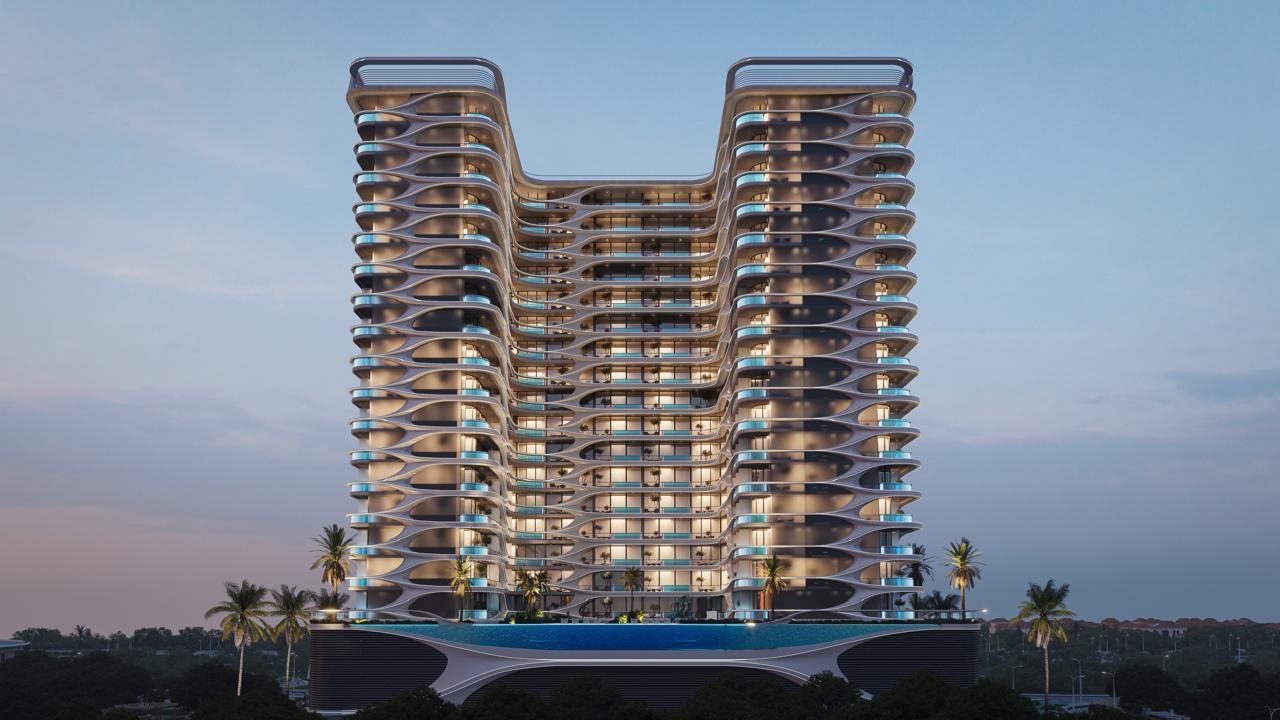

Step-by-Step Guide: How to Buy Property in Dubai from Singapore
Purchasing property in Dubai as an international investor is a simple process, largely due to the clear rules established by the Dubai Land Department (DLD). It is highly convenient, as the entire purchase can be managed from Singapore with little need for travel.
Here is a comprehensive, step-by-step procedure for securing your property within the Emirate:
Step 1: Secure a Professional Real Estate Partner
The first and most vital step is to choose a certified and reliable agency (such as FP Property). As an investor based in Singapore, you must partner with an expert. This partner must have deep local knowledge. They will advise you on freehold areas, current market changes, and following regulations. Your agent acts as your local representative. They manage due diligence, handle all necessary documents, and communicate with the seller or developer for you.
Step 2: Conduct Remote Property Selection and Analysis
You will work with your agent. Together, you will create a list of suitable properties. You can complete this entire selection phase remotely. Review available listings on major real estate platforms and developer sites. A fundamental decision is required at this stage. You must choose between a ready property (completed and available) and an off-plan property (under construction). This decision directly sets your payment schedule. It also dictates the timeline for earning rental income.
Step 3: Conduct Virtual Tours and Due Diligence
Your agent will arrange virtual walk-throughs when you will get your preferred list. You can view the actual property or the developer's display unit. The best advantage of this review is that you can check the legal status of your project. We verify the developer's proven history. Our experts specifically check the status of the project's escrow account for off-plan units. This escrow check is absolutely necessary. It safeguards your payments during the entire construction period.
Step 4: Reserve the Property with a Deposit
You must send an official Expression of Interest (EOI) form to formally take your chosen unit off the market. You must also pay a reservation deposit (or booking fee). This fee is usually refundable, or partially so. For off-plan purchases, this initial payment is transferred directly into the project's government-regulated escrow account. This way, you can secure your specific unit officially and its purchase price. No other buyer can buy it once it is done.
Step 5: Sign the Sale & Purchase Agreement (SPA)
The Sale and Purchase Agreement (SPA) is the binding legal contract between you and the developer or seller. Your agent will receive this official document and walk you through all the terms, conditions, payment plan schedule, and the expected handover date. You can typically sign the SPA digitally or send a physically signed copy back to Dubai to formalize the deal.
Step 6: Make Payments as per Developer’s Schedule
For off-plan property, you will follow the payment plan set out in the SPA. This involves making regular installments, often linked to construction milestones, directly to the project's escrow account. You will also pay the mandatory 4% Dubai Land Department (DLD) fee at this stage (sometimes split across payments).
Step 7: Register Ownership with Dubai Land Department
Upon final payment and handover, the developer will coordinate with the DLD to officially transfer the property to your name. The DLD will issue the final document, the Title Deed, which is the undisputed legal proof of your freehold ownership in Dubai.
Financing Options for Singapore Buyers

When you decide to buy a property in Dubai from Singapore, you have two simple ways to pay for it: you can use your own cash, or you can get a loan (a mortgage). The best choice depends on what is important to you financially.
1. Cash Payment vs. Bank Loan (Mortgage)
- Paying with Cash: When you pay with cash, the whole buying process is much quicker, sometimes finishing in just two weeks. You save a lot of money in the long run because you do not pay any interest fees to a bank. Paying in cash makes you a very attractive buyer to any seller. Why? The deal is significantly faster and far more certain to close—no bank approvals, no last-minute loan issues. This leverage can often help you nudge the price down slightly in your favor.
- Getting a Bank Loan (Mortgage): The major drawback here is that you effectively lock up a huge amount of capital in one asset. This means you have less cash liquid and available should an emergency pop up or if you see a better, more immediate investment opportunity elsewhere. This is a smart way to invest, as you use the bank's money to own a bigger asset. The drawback is that you must pay interest and extra bank fees, and the whole process takes longer to complete (about one to two months) because the bank needs time for approvals.
2. Getting a Mortgage as a Buyer in Singapore
Even though you live in Singapore, UAE banks are ready to offer you a home loan for a Dubai property.
Key Banks and Main Rules
Many large banks in the UAE, like Emirates NBD, Mashreq Bank, and HSBC Middle East, offer mortgage products for foreign investors.
To get approved, keep these points in mind:
-
Down Payment: You must prepare a large down payment. For non-residents, banks usually lend only 50% to 60% of the property’s value. This means you need to pay the remaining 40% to 50% yourself, right at the start.
-
Proof of Income: The bank will need clear evidence that you have a steady income in Singapore. You will need to show recent bank statements (for 3 to 6 months) and your salary documents. If you own a business, you will need to show your company’s financial records.
-
Interest Rates: The interest rate on your loan will be a bit higher compared to what residents pay. You can often choose between a rate that stays the same for a few years (fixed rate) or one that changes with the market.
3. What is Different from Singapore?
The most important difference for you is the higher down payment requirement (40-50%) in Dubai as a non-resident. In Singapore, you might put down less. Additionally, take into account that you are dealing with a foreign currency (UAE Dirhams or AED), so keep the currency conversion in mind when planning your monthly loan payments.
Legal Steps and Documents for Dubai Property Buyers

When buying property in Dubai you will need to prepare certain legal documents to ensure that the ownership is transferred smoothly and officially. The process is quite standard and is meant to be welcoming to international investors.
1. Key Documentation Checklist
To start the buying process, you must present fundamental identification and financial proof.
-
Passport Copy: A clear copy of your valid passport is the most crucial identification document required. It functions as your legal identification for the complete transaction in the Processes and Procedures department with the Dubai Land Department (DLD).
-
Proof of Address: You will need to provide documentation that verifies your current physical address in a location outside of the United Arab Emirates. Typically, this will be a recent utility bill or bank statement issued within 90 days.
-
Proof of Income/Funds: To confirm you can fund the purchase, you will be required to provide documentation to prove your financial ability to do so. If you are a cash buyer, this will involve providing one or more bank statements. If you are getting a mortgage, you will also need to provide an official salary certificate and, for business owners, will have to provide audited company financials.
2. Core Property Contracts
Two essential contracts define your ownership and the terms of the sale:
-
Sales and Purchase Agreement (SPA): This is the main, legally binding contract. You and the seller (or developer) sign it. The document details the agreed purchase price, the payment schedule, and all sale terms. SPA officially locks in the deal.
-
Title Deed: This is the final legal document you will receive proving that you are the legal owner of the property, and your name is on the deed. This document is obtained from the DLD after full payment is made, and the sale has been executed.
3. Important Notes for Foreign Investors
It is important to understand two main points about your status and presence in Dubai:
-
No UAE Visa is Required: You do not need a UAE residency visa to buy property in Dubai. Foreigners can freely own property in all designated freehold areas. The investment is purely about asset ownership, not residency.
-
Power of Attorney (POA): Power of Attorney (POA): If you want to complete the purchase overseas and you are unable to come to Dubai to sign the documents, you can give a Power of Attorney to a trusted individual (e.g., a lawyer or property consultant). The POA would need to be notarised officially in your home country and attested for use in the UAE. The POA allows your representative to sign the SPA and subsequent transfer documents on your behalf.
Popular Dubai Areas for Singaporean Investors
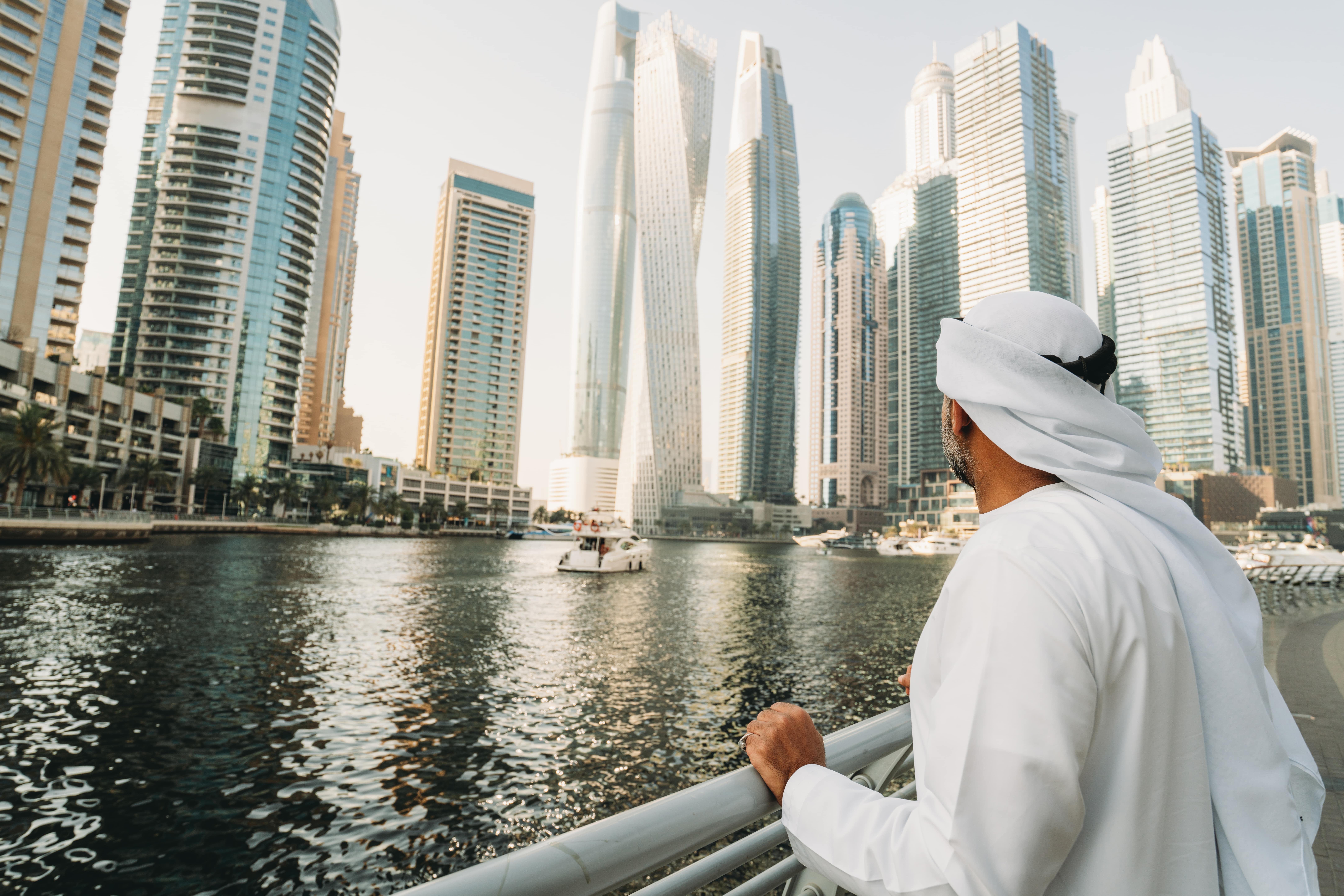
More Singaporean investors are deciding to invest in Dubai's real estate market due to its tax-free benefits and high return on investment (ROI) features, which can be as high as 6–9% compared to the average yield in Singapore. Some areas combine luxury lifestyle with strong fundamentals of real estate investment:
-
Dubai Marina: Premier waterfront living and high short-term rental demand from tourists and expatriates. Offers strong, stable ROI.
-
Downtown Dubai: You will find some most stunning and luxury apartments in Dubai here near the Burj Khalifa. The property has a high demand and more capital growth.
-
Palm Jumeirah: This place is an iconic location for high-end villas. It offers exclusivity and helps preserve assets long-term.
-
Business Bay: A central area for business and homes. It provides excellent travel links and strong rental income, especially from professionals.
-
Dubai Creek Harbour: A new master-planned community by Emaar. It is set for major future growth and high appreciation potential.
-
Jumeirah Village Circle (JVC): The best choice for affordable units. High demand from families and young professionals often results in the highest rental returns.
Major firms like Emaar, DAMAC, and Sobha instill strong trust. These developers are known for their quality and for delivering projects on time. This stability makes the market attractive and transparent for all international investors.
Binghatti Sky Terraces Ovelle The Valley Samana Boulevard Heights
Can You Buy Off-Plan Property from Singapore?
International investors are fully welcome to participate in the Dubai market. This opportunity extends specifically to buyers based in Singapore.
These individuals may acquire property that is currently under construction, commonly referred to as 'off-plan' units. Such transactions take place in overseas markets, focusing strictly on Dubai’s designated freehold areas.
This system provides international purchasers with clear legal authority to secure and own valuable real estate assets.
Understanding the Off-Plan Concept
Off-plan describes a real estate unit. This unit is purchased directly from a developer. The agreement happens before the building's construction is finished. The buyer formally secures the unit by reviewing the floor plans, architectural drawings, and the Sales Purchase Agreement (SPA).
1. Key Benefits of Buying Off-Plan
This investment method is highly favored. It offers several key advantages to the purchaser:
-
Lower Initial Cost: Buyers often benefit from a lower initial price. Developers typically offer a clear discount compared to buying a completed property. This keeps the entry cost low for the investor.
-
Flexible Payment Terms: Purchasers generally receive a flexible payment plan. This plan allows the total costs to be spread out. Payments occur over the entire construction period. In some cases, installments continue even after the property handover date.
-
Enhanced Security: Established developers provide a guarantee. This covers the structure and the interior finishings. This quality promise is further supported by official rules. RERA requires escrow accounts. These accounts legally safeguard your funds throughout the entire building process.
2. Mitigating Risks
The main risks involve two things: potential construction delays or changes from the original design. To protect your money, you must choose reputable developers with a strong history. Look for firms like Emaar, Meraas, Sobha, and Binghatti. These companies are known for delivering quality work on time.
Managing Your Dubai Property from Singapore

Managing an investment property in Dubai while living in Singapore is easy and stress-free. You simply hire a professional property management service. This service completely removes the problems of distance and time zones. You get to enjoy all the rental returns without any of the operational work.
1. Comprehensive Property Management Services
A dedicated Property Management Service acts as your local representative, handling all aspects of tenancy and property maintenance. Key functions include:
-
Rental Management: This covers tenant sourcing, thorough background screening, lease agreement drafting (Ejari registration), and efficient rent collection. We ensure timely payments are transferred directly to your nominated Singaporean or UAE bank account.
-
ROI Tracking & Reporting: Getting higher return on investment (ROI) is critical to our business. We perform frequent market analyses to help you stay competitive with your rent charge, minimize vacancies, and provide you with detailed financial reports that display income, expenses, and net profit, so you know how it is performing.
-
Remote Handling: Our agency offers complete, end-to-end support for managing your property remotely. We handle all tasks on the ground for you. This includes coordinating maintenance and repairs twenty-four hours a day. We also conduct all routine property inspections. Furthermore, we manage any necessary tenant disputes. We use digital platforms to provide owners with real-time updates. You get access to an owner portal for reviewing and approving items. This system ensures you have complete peace of mind while managing your assets from overseas.
FB Property handles everything, offering a true hands-off investment where the only thing you need to monitor is your rental income.
Tax Implications for Singaporean Investors in Dubai

Investing in Dubai real estate offers significant tax benefits directly within the UAE, but the investor's tax residency in Singapore determines the overall tax liability.
1. Dubai's Zero-Tax Environment
The UAE's tax rules are a major benefit for all international property investors:
-
No Property Tax: The UAE does not charge an annual property tax on real estate ownership. The main recurring expense you will have is the yearly service charge. This fee is paid to the building management. It covers the maintenance of all common areas.
-
No Capital Gains Tax: When you sell your Dubai property for a profit, the UAE does not impose a Capital Gains Tax (CGT) on that financial gain.
-
No Personal Income Tax on Rent: Individual investors do not pay personal income tax on the rental earnings from their Dubai properties.
The primary official payment required upon transfer of ownership is the Dubai Land Department (DLD) transfer fee. This fee is 4% of the property value. It is usually shared between the buyer and the seller.
2. Singapore Tax Residency and Foreign Income
As a Singapore Tax Resident, your global income is usually taxable in Singapore. This occurs when the income is brought into Singapore (remitted) or is officially treated as received there.
-
Rental Income: The rental income received from your Dubai property can be defined as foreign-sourced income. If you are to remit that income to Singapore, it may be subject to Singapore Income Tax. Be aware that other specific rules and exemptions might apply.
-
Capital Gains: In Singapore, there is no Capital Gains Tax (CGT) in respect of profits from the sale of assets, including the sale of foreign real estate, which is in principle aligned with the UAE.
-
Double Taxation: There is currently no formal Double Tax Agreement (DTA) between Singapore and the UAE. Therefore, you may claim relief from potential double taxation on rental income unilaterally. This claim is made under Singapore's Income Tax Act, provided certain legal conditions are met.
3. Important Tax Disclaimer
The intent of this document is to offer only general guidance. It is not to be relied upon as legal advice or tax advice. Tax law can change, both in Singapore and the UAE. An individual's tax situation is entirely dependent on their own personal circumstances, including their residence status and their income.
You should ensure you speak to a qualified international tax adviser in Singapore to understand your reporting obligations and make sure you are compliant.
Binghatti Sky Terraces Ovelle The Valley Samana Boulevard Heights
Conclusion:
You can get some excellent rewards of a tax-free rental income in Dubai, capital appreciation that is above the global average, and that buying property there is the simplest process for international buyers. Owning property in Dubai offers great advantages to the investors from all around the world. The economic value of this region makes it the most premier global destination for Singaporean investors to increase their wealth overseas.
Act now to secure this important opportunity. Thousands of Singaporeans have already invested and locked in their Dubai property. Now, it is your time to strengthen your financial future. We offer the necessary expertise to help you successfully engage with the Dubai real estate market
Why Choose FP Property for Your Dubai Investment?
It is essential and integral to work with the right partner. FP Property affirms the required E-E-A-T (Experience, Expertise, Authority, and Trust) through decades of dedicated work in the Dubai market. Our team consists of fully licensed RERA brokers who only work with verified master developers, guaranteeing every transaction is safe and compliant.
With over 20 years of experience and a valid RERA license, FP Property has been a faithful leader in Dubai real estate. Our focus is on facilitating international investors, with unmatched experience and property market knowledge. Throughout the entire process, we continually manage and ensure that the investment experience is comfortable and smooth.
Book a Free Consultation with Our Dubai Property Specialists.